


Introduction
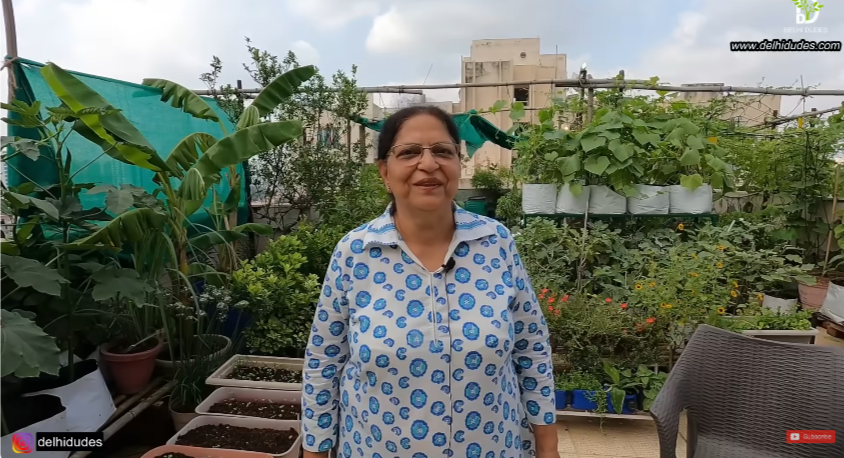
Rooftop terrace gardening has become a popular trend in urban areas where space for traditional gardening is limited. Growing organic vegetables on rooftops not only provides fresh and chemical-free food but also helps improve air quality and reduce heat in buildings. One of the most rewarding parts of terrace gardening is harvesting the vegetables that you have grown with care. Harvesting at the right time ensures better taste, nutrition, and continuous production of vegetables throughout the season.
This blog explains the process, benefits, and best practices for harvesting organic vegetables from a rooftop terrace garden.
Why Rooftop Terrace Gardening is Beneficial
Rooftop terrace gardening offers several advantages, especially for people living in cities.
-
Fresh and chemical-free vegetables: You grow vegetables without pesticides or harmful chemicals.
-
Better use of unused space: Rooftops that are usually empty can become productive green spaces.
-
Improved environment: Plants help reduce heat and improve air quality.
-
Cost savings: Growing vegetables at home reduces grocery expenses.
-
Mental relaxation: Gardening is known to reduce stress and improve mood.
Harvesting vegetables grown on your terrace makes the experience even more satisfying because you can directly enjoy the fruits of your effort.
Preparing for Harvesting
Before harvesting vegetables from your rooftop garden, proper preparation is important.
1. Know the Harvest Time
Each vegetable has a specific harvesting period. For example:
-
Leafy vegetables like spinach and lettuce can be harvested within 25–40 days.
-
Tomatoes and peppers take around 60–80 days.
-
Root vegetables like carrots and radishes are ready in 30–60 days.
Checking the maturity of the plant ensures you harvest at the perfect time.
2. Use Clean Tools
Use clean scissors, pruning shears, or garden knives to cut vegetables. Clean tools prevent diseases from spreading between plants.
3. Harvest in the Morning
Early morning is the best time to harvest vegetables because they are fresh, hydrated, and full of nutrients.
Common Vegetables You Can Harvest from a Rooftop Garden
Many vegetables grow very well in terrace containers or grow bags.
Leafy Greens
Leafy vegetables grow quickly and are easy to harvest.
-
Spinach
-
Lettuce
-
Fenugreek (Methi)
-
Coriander
These plants can be harvested multiple times by cutting only the outer leaves.
Fruiting Vegetables
These vegetables produce fruits after flowering.
-
Tomatoes
-
Chillies
-
Capsicum
-
Cucumbers
-
Brinjal (Eggplant)
Harvest these vegetables when they reach the proper size and color.
Root Vegetables
Root vegetables grow under the soil in containers.
-
Radish
-
Carrot
-
Beetroot
Pull them gently from the soil once they reach the right size.
Best Techniques for Harvesting
Using the right harvesting techniques helps plants continue producing vegetables.
Cut and Come Again Method
For leafy vegetables, cut the outer leaves and allow the center leaves to keep growing. This method allows multiple harvests from the same plant.
Gentle Picking
For vegetables like tomatoes, cucumbers, and peppers, gently twist or cut the fruit from the plant without damaging the stem.
Regular Harvesting
Harvest vegetables regularly to encourage the plant to produce more fruits and leaves. If vegetables remain too long on the plant, growth may slow down.
Tips to Improve Harvest Quality
To get healthy and tasty vegetables from your rooftop garden, follow these tips:
-
Water plants properly but avoid overwatering.
-
Use organic compost or vermicompost for better nutrition.
-
Ensure plants get 5–7 hours of sunlight daily.
-
Remove dead leaves and pests regularly.
-
Rotate crops to maintain soil fertility.
Healthy plants always produce better and larger harvests.
Storing and Using Freshly Harvested Vegetables
After harvesting, wash the vegetables with clean water to remove dirt. Leafy vegetables should be stored in the refrigerator to keep them fresh longer. Freshly harvested vegetables taste much better than store-bought ones and contain more nutrients.
You can use them immediately in salads, soups, or home-cooked meals.
Conclusion
Harvesting organic vegetables from a rooftop terrace garden is a fulfilling and sustainable practice. It allows people living in cities to grow their own healthy food while making productive use of rooftop space. By understanding the right harvesting time, using proper techniques, and maintaining plant health, anyone can enjoy a continuous supply of fresh vegetables.