


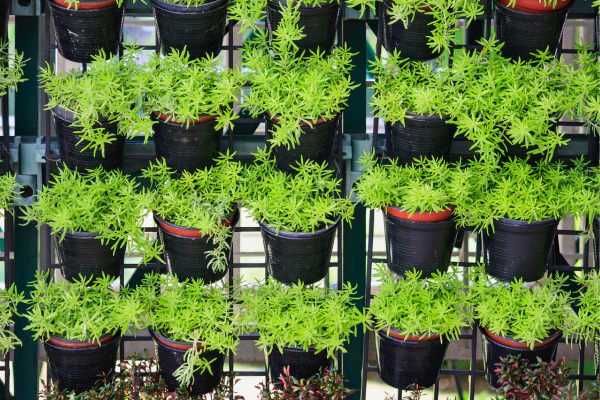
In today’s urban lifestyle, space has become a luxury. Apartments, flats, and compact homes often leave little room for traditional gardening. This is where Vertical Gardening comes in as a smart and sustainable solution. By growing plants vertically instead of horizontally, you can transform walls, balconies, and small corners into lush green spaces. Vertical gardening not only saves space but also enhances the beauty, air quality, and overall ambiance of your home.
Benefits of Vertical Gardening
Vertical gardening offers numerous benefits, especially for people living in small homes or urban environments.
One of the biggest advantages is space efficiency. It allows you to grow more plants in less area by utilizing vertical surfaces like walls and fences. This makes it ideal for balconies, terraces, and even indoor spaces.
Vertical gardens also help improve air quality. Plants naturally absorb carbon dioxide and release oxygen, making your living environment healthier. They can also reduce dust and noise levels in busy city areas.
Another major benefit is aesthetic appeal. A green wall instantly elevates the look of any space, giving it a modern and refreshing feel. Vertical gardens also help regulate temperature by keeping walls cooler, which can reduce heat indoors.
Additionally, gardening has proven mental health benefits. Taking care of plants reduces stress, boosts mood, and creates a calming environment, even in the middle of a crowded city.
Basics of Vertical Gardening
Before starting a vertical garden, it’s important to understand the basics.
First, choose the right location. Look for a wall or area that receives adequate sunlight, depending on the type of plants you want to grow. Some plants need full sunlight, while others thrive in partial shade.
Next, select a support system. This could be wall-mounted panels, metal frames, wooden pallets, hanging planters, or modular vertical garden systems. Ensure the structure is strong enough to support the weight of plants, soil, and water.

Soil and drainage are crucial. Use lightweight, nutrient-rich soil that drains well. Poor drainage can lead to root rot and plant diseases. Installing a drip irrigation system can make watering easier and more efficient.
Regular maintenance is also essential. Vertical gardens require timely watering, pruning, and fertilizing to stay healthy and vibrant.
Pick Plants for Vertical Gardening
Choosing the right plants is key to the success of your vertical garden. Not all plants are suitable for vertical growth.
Some of the best plants for vertical gardening include money plant (pothos), philodendron, ferns, and spider plants, as they are easy to maintain and grow well in vertical setups.
If you’re interested in growing edible plants, consider herbs like basil, mint, coriander, and thyme. These plants are lightweight and perfect for small spaces.
For adding color, flowering plants such as petunias, begonias, and geraniums work well. Succulents are also a great option for low-maintenance vertical gardens, especially in sunny areas.
Always consider sunlight, watering needs, and plant size before making your selection.
Types of Vertical Gardens
There are several types of vertical gardens to suit different spaces and budgets.
Wall-mounted vertical gardens are attached directly to walls and offer a clean, modern look.
Hanging vertical gardens use hooks or ropes to suspend pots, making them ideal for balconies and windows.
Pallet vertical gardens are made using wooden pallets and are a popular DIY option.
Modular vertical gardens consist of ready-made panels that can be expanded easily and are commonly used in commercial spaces.
Recycled vertical gardens use bottles, cans, or old containers, making them eco-friendly and budget-friendly.
Each type has its own charm and can be customized according to personal style.
FAQ’s – Vertical Gardening
Is vertical gardening suitable for beginners?
Yes, vertical gardening is beginner-friendly, especially when starting with low-maintenance plants.
Does vertical gardening require a lot of water?
No, with proper drainage and drip irrigation, water usage can be efficiently controlled.
Can vertical gardens be used indoors?
Absolutely. Many indoor plants thrive in vertical setups with adequate light.
Is vertical gardening expensive?
It can be affordable or premium, depending on the materials and systems you choose.
Conclusion
Vertical gardening is a smart, stylish, and sustainable way to make the most of small spaces. Whether you live in a compact apartment or want to enhance a balcony or wall, vertical gardens offer endless possibilities. With the right planning and plant selection, you can bring nature closer to your everyday life—no matter how limited your space is